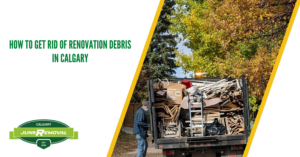
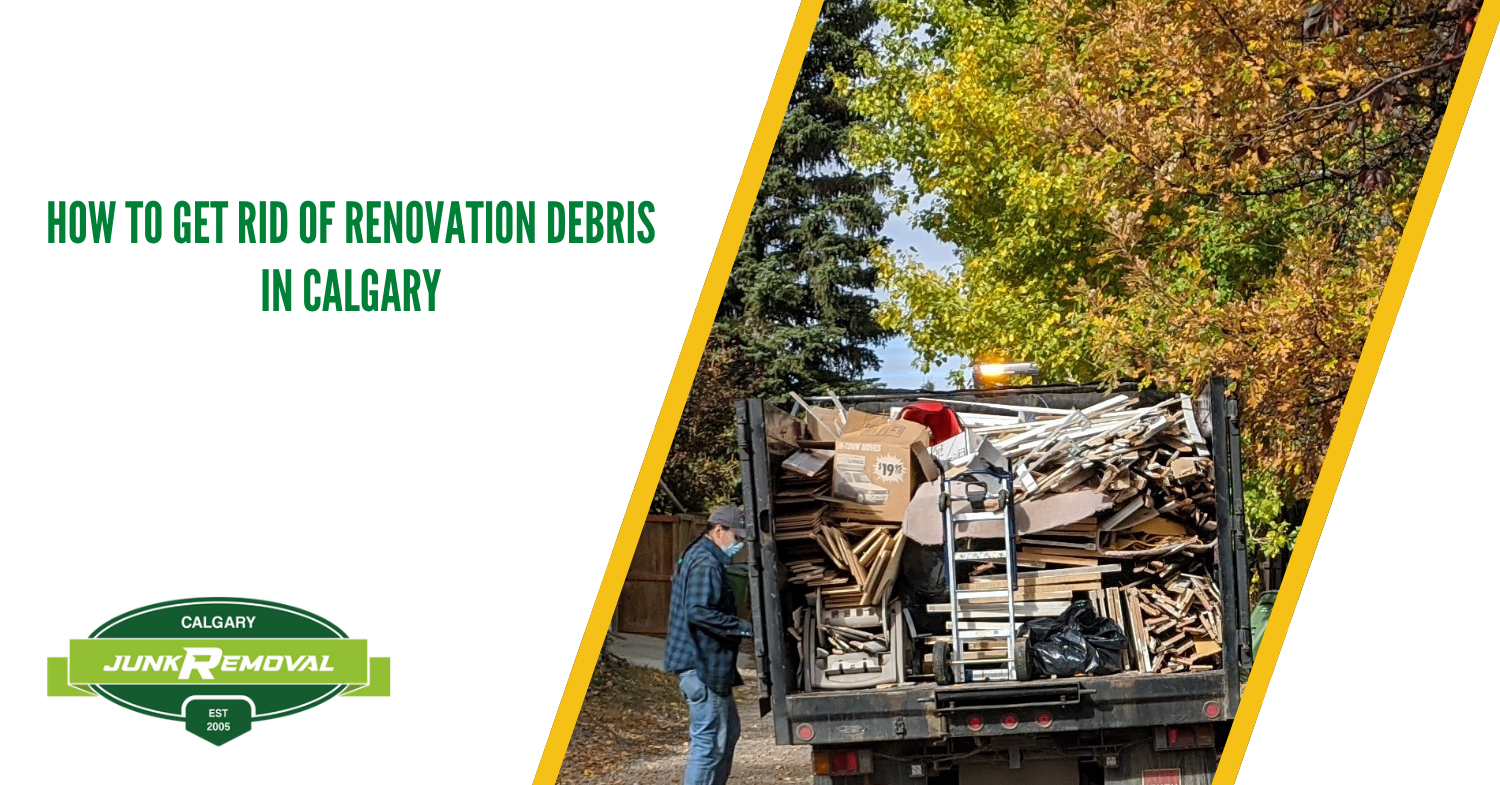
Home renovations can completely transform a space, but they can also leave behind a surprising amount of waste. Old drywall, flooring, cabinets, lumber, fixtures, doors, and other materials can quickly pile up in your garage, driveway, basement, or work area.
Once the work is finished, you’re left with an important question: how do you get rid of renovation debris in Calgary?
The best option depends on the type and amount of material you have. Small quantities may be manageable yourself, while larger renovation projects can require a truck or trailer, multiple trips, sorting, heavy lifting, and appropriate disposal.
Understanding your options before the renovation begins can make the final cleanup much easier.
Construction & Renovation Debris Removal
What Is Considered Renovation Debris?
Renovation debris includes the unwanted building materials and fixtures removed or generated during a home improvement, demolition, or construction project.
Common examples include:
Drywall
Lumber
Flooring
Carpet
Cabinets
Countertops
Doors
Windows
Sinks
Toilets
Plumbing fixtures
Metal
Tile
Concrete
Bricks
Insulation
Packaging and general construction waste
Even relatively small renovations can generate a significant amount of material.
Replacing kitchen cabinets or flooring might not sound like a major cleanup, but bulky materials can quickly consume valuable space and become difficult to transport.
Where Can You Take Renovation Debris in Calgary?
Calgary has several options for properly managing renovation and construction waste.
City of Calgary Eco Centres accept a variety of renovation and construction materials. Depending on what you’re bringing and the quantity involved, disposal charges may apply.
Materials that can potentially be recycled or handled separately include items such as concrete, brick, scrap metal, recyclable wood, and drywall.
Sorting materials before disposal can help ensure recyclable materials are directed toward the appropriate waste stream rather than unnecessarily being treated as general garbage.
For homeowners completing the work themselves, taking renovation debris to an appropriate facility can be a reasonable solution when the amount of material is manageable and you have access to a suitable vehicle.
Larger projects are where things become more complicated.
Can Renovation Debris Go in Your Regular Garbage Bin?
Not all construction and renovation debris should simply be placed into your household garbage cart.
The type, size, quantity, and weight of the material all matter. Large pieces of construction material can be difficult or unsafe to place inside residential carts, while some materials require specific disposal or recycling methods.
Heavy materials are particularly important to consider.
A container that doesn’t look particularly full can become extremely heavy when loaded with tile, concrete, drywall, soil, or other dense renovation debris.
Before putting construction material into your household carts, check the City of Calgary’s current disposal requirements for the specific material.
For larger projects, arranging a dedicated removal option is generally much more practical.
How Do You Get Rid of Old Drywall in Calgary?
Drywall is one of the most common materials left behind after renovations.
Removing a wall, finishing a basement, repairing water damage, or remodeling a room can produce sheets, broken pieces, and offcuts that quickly accumulate.
The City of Calgary accepts drywall at its Eco Centres, with disposal fees and requirements depending on the material and quantity.
Whenever possible, keep drywall separated from general household junk. Separating construction materials can make it easier to determine the appropriate recycling or disposal option.
If you have a large amount of drywall, professional debris removal can also eliminate the need to load and transport it yourself.
What Should You Do With Old Lumber?
Renovations often leave behind dimensional lumber, trim, framing, plywood, shelving, and other wood products.
If the lumber is clean and still usable, consider whether it can be reused for another project before disposing of it.
Wood that can’t be reused may need to be separated depending on whether it is clean, painted, treated, engineered, or contaminated with other materials.
Large pieces should also be handled carefully. Nails, screws, staples, and sharp edges can create hazards when carrying and loading demolition debris.
If you’re preparing lumber for professional pickup, keeping the material together in one accessible location can make the cleanup process quicker.
How Do You Get Rid of Old Flooring and Carpet?
Replacing flooring can create much more debris than homeowners initially expect.
Carpet and underlay are bulky once removed, while laminate, hardwood, vinyl, and tile can become heavy very quickly.
Whenever practical, roll carpet into manageable sections and keep loose flooring together. Sharp nails, tack strips, broken tile, and other hazardous edges should be handled carefully.
If you’re removing flooring throughout several rooms or an entire property, professional removal can save you from loading and transporting a substantial amount of material yourself.
What About Old Cabinets and Countertops?
Kitchen and bathroom renovations often produce some of the bulkiest debris.
Old cabinets take up considerable truck space even when they’re relatively lightweight. Countertops, on the other hand, can be extremely heavy depending on the material.
Before throwing usable cabinets away, consider whether they’re in good enough condition for reuse or donation.
Cabinets that are damaged, broken, or no longer usable can be removed as renovation debris. Countertops may require different handling depending on whether they’re laminate, wood, stone, concrete, or another material.
Internal Link: Appropriate Disposal
Can You Get Rid of Doors, Windows and Fixtures?
Yes, but different materials may need to be handled differently.
Renovation projects frequently leave behind:
Interior and exterior doors
Window frames
Sinks
Toilets
Faucets
Light fixtures
Shelving
Bathroom vanities
Shower doors
Plumbing fixtures
Items that are still functional may have reuse or donation potential. Damaged items can usually be directed toward an appropriate recycling or disposal option based on the materials they’re made from.
Broken glass, sharp metal, and damaged fixtures should always be secured carefully before being moved.
Should You Rent a Bin or Hire a Junk Removal Company?
This is one of the most important decisions when planning a renovation cleanup.
Both options can work well, but they’re suited to different projects.
A bin rental can make sense when you’re working on a longer project and want somewhere to place debris as the renovation progresses. You’ll generally be responsible for carrying the material outside and loading the bin yourself.
Full-service junk removal works differently.
Instead of having a container delivered and loading it yourself, a removal crew comes to the property, handles the lifting and loading, and takes the approved debris away.
Professional junk removal may be the better option when:
The renovation is already finished
You want the debris gone immediately
You don’t want a bin sitting on the property
You don’t want to load everything yourself
You have bulky items such as cabinets or doors
You’re dealing with several different types of junk
You need to clear the space before the next phase of work begins
The right option ultimately depends on the size and timeline of your project.
When Should You Remove Debris During a Renovation?
Waiting until the very end isn’t always the best approach.
Debris can consume valuable working space and create trip, puncture, and access hazards around a renovation site.
For larger projects, scheduling removal at key stages can keep the property more manageable.
For example, you might arrange debris removal after demolition and then complete another cleanup once the renovation is finished.
Smaller projects may only require one final pickup.
Thinking about debris removal before construction begins can prevent you from ending up with a driveway or garage full of materials and no plan for getting rid of them.
How to Prepare Renovation Debris for Pickup
A little preparation can make debris removal faster and easier.
Keep similar materials together when practical and make sure the crew has a clear path to the debris. Secure sharp or broken materials wherever possible, and let the removal company know ahead of time if you’re dealing with unusually heavy items.
You should also identify anything that may require special handling.
Paint, chemicals, solvents, asbestos-containing materials, propane cylinders, and other hazardous materials should never simply be mixed into a general renovation debris pile. These materials can have specific handling and disposal requirements.
If you’re unsure whether something can be removed, ask before your appointment.
How Much Does Renovation Debris Removal Cost in Calgary?
The cost of renovation debris removal depends on several factors, including the amount of material, its weight, accessibility, and the type of debris being removed.
A small bathroom renovation, for example, can produce a very different load from a complete basement demolition.
Heavy materials can also affect pricing differently than lighter, bulky items because weight and disposal requirements need to be considered.
The easiest way to get a better idea of what your project may cost is to send us a picture of the debris.
Photos allow us to see the approximate volume and types of materials involved so we can provide a more detailed estimate whenever possible.
Frequently Asked Questions About Renovation Debris Removal
Where can I dispose of renovation debris in Calgary?
Depending on the material, Calgary’s Eco Centres accept many types of renovation and construction waste. Fees and requirements vary by material. Homeowners with larger quantities can also hire a professional construction and renovation debris removal service to handle pickup, loading, transportation, and appropriate disposal.
Can you take drywall after a renovation?
Yes, drywall is a common type of renovation debris. It should be kept separate from hazardous materials and handled according to applicable disposal requirements.
Can you remove old kitchen cabinets?
Yes. Old kitchen and bathroom cabinets can be removed as part of a renovation cleanup. Cabinets that remain in usable condition may also have reuse or donation potential.
Can you remove renovation debris from inside the house?
With full-service junk removal, approved debris can generally be collected from the property rather than requiring you to move everything to the curb yourself. This is particularly useful for heavy or bulky renovation materials.
Can construction debris be recycled?
Some construction materials can be recycled or recovered depending on their condition and composition. Concrete, metals, clean wood, drywall, and other materials may have dedicated recycling or processing options. Keeping materials separated where practical can make responsible handling easier.
How do I get an estimate for renovation junk removal?
Take a few clear photos showing the entire debris pile and send them to Calgary Junk Removal. Include information about where the debris is located and whether there are stairs or other access considerations. This helps us provide a more accurate estimate before pickup.
Make Renovation Cleanup the Easy Part
Renovations involve enough work without spending your final weekend loading drywall, flooring, cabinets, lumber, and construction debris into a truck.
If you only have a small amount of material and access to a suitable vehicle, handling disposal yourself may make sense. But when debris starts piling up, professional removal can save you the heavy lifting, transportation, and multiple disposal trips.
Calgary Junk Removal provides construction and renovation debris removal throughout Calgary and surrounding communities. Whether you’re finishing a bathroom remodel, renovating your kitchen, developing a basement, or cleaning up after a larger construction project, we can help get the unwanted material out of the way.
Send us a photo of your renovation debris for a free estimate, and we’ll help you determine the best option for your cleanup.